
- Call Us: +1(864) 624-2229
- Email:info@islamicsocietyofclemson.org

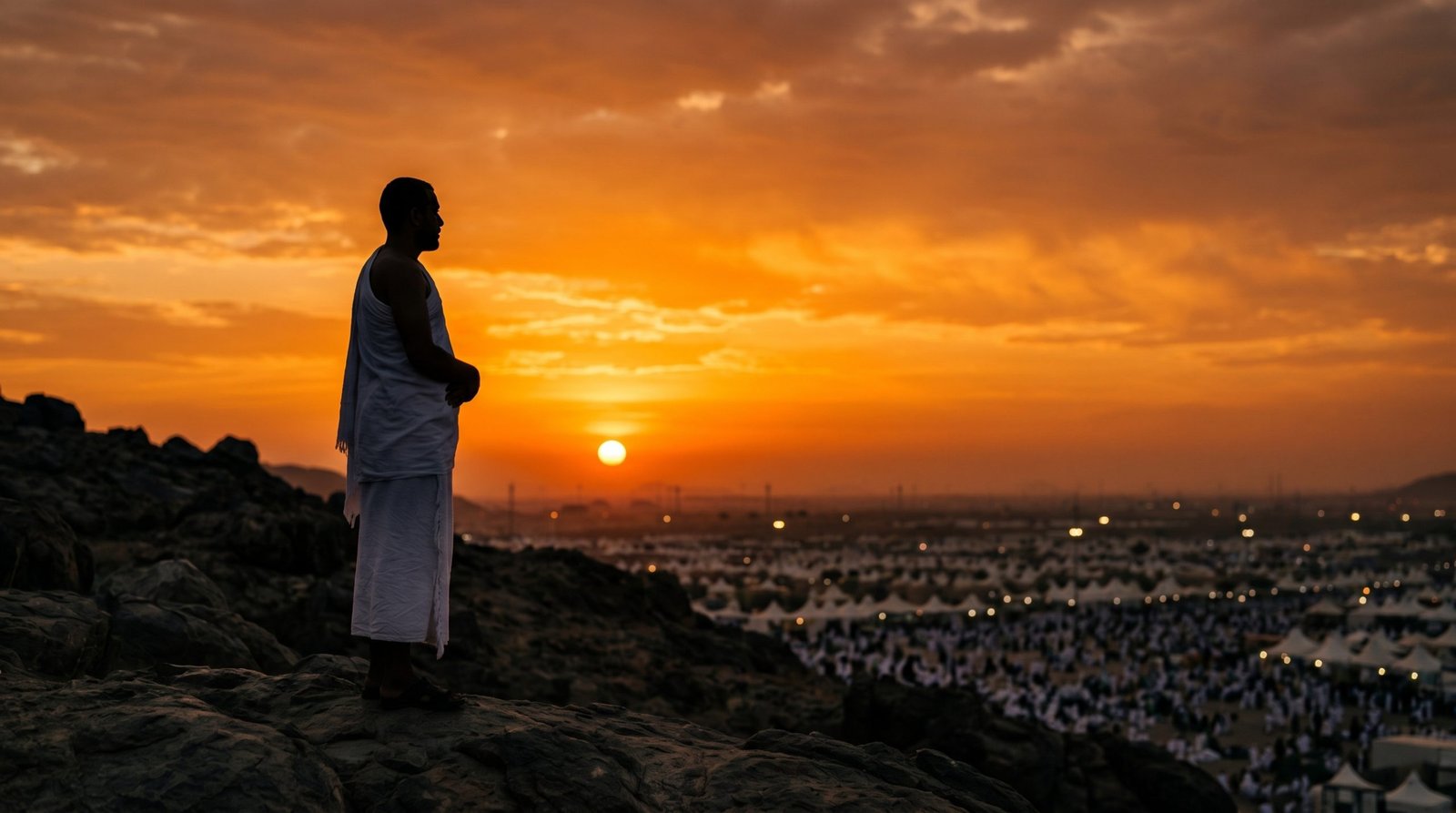
Every year, a spiritual window of unparalleled mercy opens. It is not Ramadan. It is not the middle of the night. It is the first ten days of Dhul Hijjah—the final month of the Islamic lunar calendar.
The Prophet Muhammad (peace be upon him) said: “There are no days in which righteous deeds are more beloved to Allah than these ten days.” (Bukhari)
Yet, many of us let these days slip by like any other. We wait for Eid al-Adha and forget the treasures of days 1 through 9.
Here is your practical, day-by-day guide to making these the most transformative ten days of your year.
The Immense Importance of These 10 Days
Before we dive into the “to-do” list, it is crucial to understand why these ten days carry such weight in Islam. This is not a matter of cultural tradition—it is a matter of divine emphasis.
1. Allah Swears by Them in the Quran
When Allah swears an oath by something, it is to highlight its greatness. In Surah Al-Fajr, Allah says:
“By the dawn! And by the ten nights!” (Quran 89:1-2)
The vast majority of scholars agree that “the ten nights” refers to the first ten days of Dhul Hijjah. Allah does not swear by anything trivial. The very fact that He swears by these days should shake us into attention.
2. They Are the Best Days of the Year—Bar None
Many people assume Ramadan is the absolute best time of the year. While Laylatul Qadr (the Night of Power) is the best night, the best days of the entire year are the first ten of Dhul Hijjah.
The Prophet (peace be upon him) said:
“There are no days greater in the sight of Allah, and in which righteous deeds are more beloved to Him, than these ten days.” (Ahmad)
Think about that. Better than the last ten nights of Ramadan? Better than any Friday? Yes—when it comes to daytime deeds, these ten days are unmatched.
3. They Combine All Five Pillars of Islam
No other period of the year brings together the core acts of worship like Dhul Hijjah:
-
Shahada (faith): Increased remembrance and takbir.
-
Salah (prayer): Night prayers (Tahajjud) and obligatory prayers.
-
Zakat (charity): Multiplying your charity in these days.
-
Sawm (fasting): Especially the Day of `Arafah.
-
Hajj (pilgrimage): The greatest physical worship takes place now.
Even if you are not performing Hajj, you can still tap into the blessings of the other four pillars.
4. The Day of `Arafah Is the Pinnacle of Mercy
The 9th day of Dhul Hijjah is known as Yawm `Arafah—the day Allah frees more people from the Hellfire than any other day of the year. The Prophet said:
“There is no day on which Allah frees more servants from the Fire than the Day of `Arafah.” (Muslim)
For those not on Hajj, fasting this day expiates the sins of two entire years—the past year and the coming year. That is a reward so immense it is almost incomprehensible.
5. A Second Chance After Ramadan
Ramadan ended months ago. Many of us have slipped back into old habits. The spiritual high has faded. These ten days are Allah’s mercy to revive your iman (faith) before the new year begins. They are a booster shot for the soul—a chance to repent, reset, and return to Allah before the next Ramadan.
Your 10-Day Spiritual Action Plan
You do not need to be in Makkah to win big here. Here is how to maximize every single day.
1. The Daily Core: Increase the Takbir (Loud Remembrance)
Unlike Ramadan (which focuses on night prayer), Dhul Hijjah focuses on daylight remembrance.
From the 1st of Dhul Hijjah until sunset on the 13th, revive the sunnah of saying the Takbir loudly:
-
Allahu Akbar, Allahu Akbar, la ilaha illa Allah, wa Allahu Akbar, Allahu Akbar, wa lillah il-hamd.
Men should say it audibly in the markets, streets, and after the obligatory prayers. Women can say it softly at home. Fill your environment with the sound of Allah’s greatness.
2. The Secret Weapon: Fasting (Especially the 9th Day)
The Prophet told us that fasting on one of these days is equivalent to fasting for an entire year.
-
Days 1-8: Fast as many as you can. Even if you cannot fast all eight, try for Mondays and Thursdays.
-
The Grand Prize (Day 9 – Yawm
Arafah):This is the single most important day. Fasting on the Day ofArafah expiates the sins of the past year and the coming year.
3. The Night Shift: Tahajjud & Repentance
The nights of these ten days are just as special. Wake up an hour before Fajr, even for just 15 minutes.
-
Make dua (supplication) as if you are standing on the plains of `Arafah.
-
Ask for forgiveness for your major and minor sins.
-
Cry to Allah for your unfulfilled needs.
4. The Wallet Cleanse: Charity & Qurbani
Donating during these days carries a multiplied reward.
-
Give daily: Even a small amount, like 1or5, every single day of the ten days.
-
Arrange your Qurbani (Udhiyah): If you are able, sacrifice an animal (cow, goat, sheep) for the sake of Allah. Do this early. Many organizations allow you to schedule your sacrifice online so the meat reaches the poor on `Eid day. Do not delay until the last minute.
5. The Heart Work: Stop Sinning
Here is the hard truth. Righteous deeds cannot flourish in a heart filled with sin.
-
Cut the cable: Stop backbiting, listening to music that hardens the heart, or wasting hours on social media scrolling.
-
Guard your tongue: For these ten days, if you have nothing good to say, say nothing at all.
Reviewed by: Imam Mufti Mohammad Khalid
© Copyright 2026, All Rights Reserved | Islamic Society of Clemson
Leave Your Comments